I make complex work clear enough for people to use.
I’m Mary Rietz — a strategic communications leader and designer with 17+ years turning complex business priorities into stories people understand and act on. I started as a graphic designer, building brands, websites, and marketing from the ground up for clients, and grew into leading communications for organizations with thousands of employees — building internal comms from zero, shaping executive messaging, and designing the systems that carry a decision from a leader’s desk to the people who have to act on it.
That work has spanned cleared defense work, naval recruitment marketing that translated technical jargon into language college students actually responded to, e-commerce and drop-shipping systems for retail clients, and multi-year marketing strategies for small businesses — including communications an office admin could run on their own. One internal comms rebuild lifted open and viewing rates by 70% in under four months. The throughline is always the same: good communication isn’t just polished language — it’s structure, timing, audience awareness, and a clear path from decision to action.
The throughlineIntentional communication: the right message, in the right format, for the people who need to act.
Personal
The person behind the work is people-centered, curious, and intentional.
The same practical human lens shows up at work and at home: notice what people need, reduce the noise, and make the next step feel clearer.
Home base
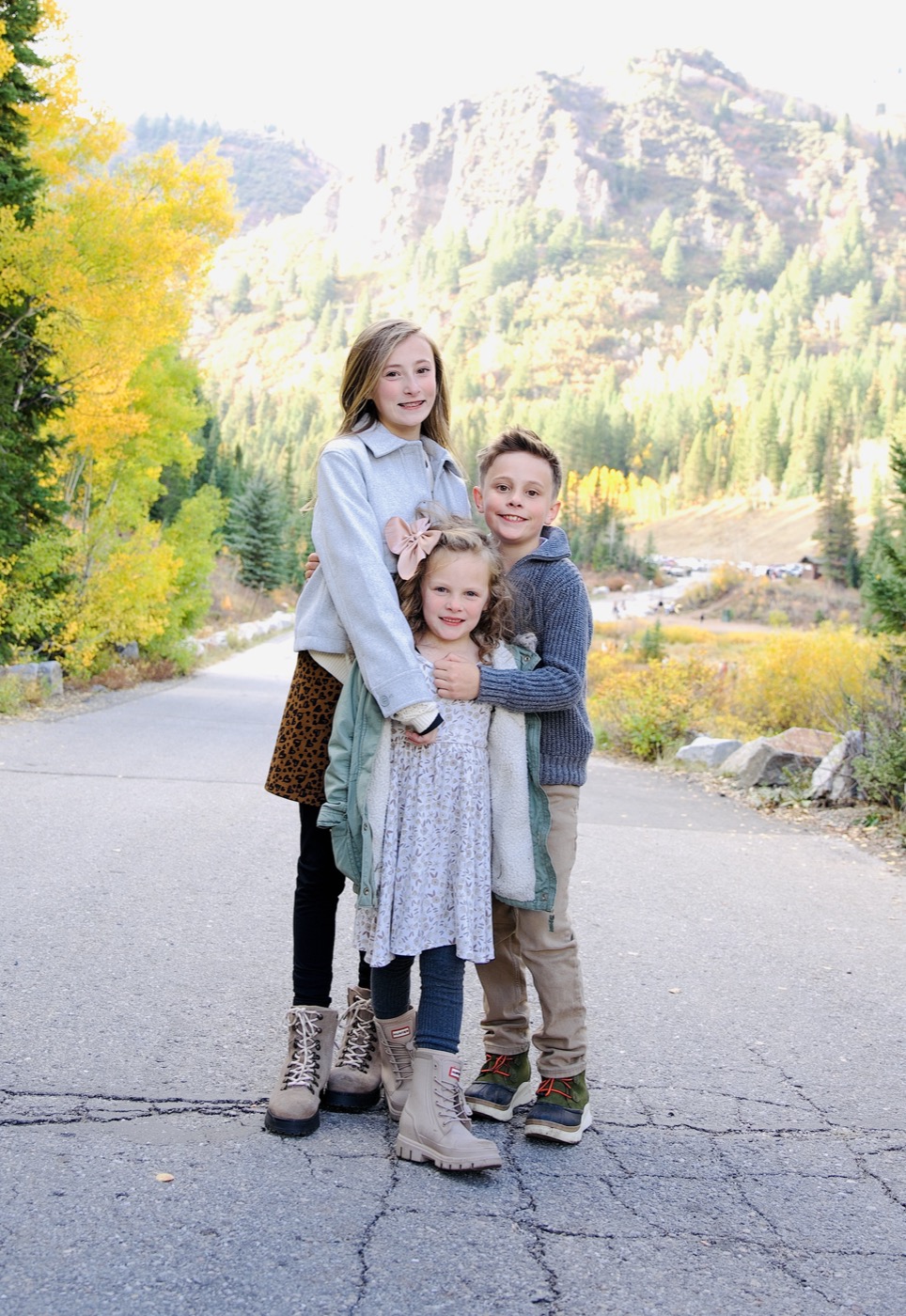
Wife, mom of three, and very aware that clarity has to work in real life.
My favorite team keeps me grounded. It is a constant reminder that people do not need prettier noise. They need communication, structure, and care they can actually use when life is full.
What I study for fun
People, behavior, trust, and momentum.
I am naturally curious about why teams thrive or disengage, what causes emotional buy-in, and how small communication choices shape the way people experience work.
Creative fuel
The small things that keep me making.
Music, painting, pottery, board games, sushi, Philly sports, mint chip ice cream, a white Monster, and Take 5 candy bars all belong somewhere in the creative process.
Wife + mom of three
Real life keeps the work honest.
My favorite team is why I care so much about people feeling clear, supported, and capable in the middle of real life.
My favorite team — real life keeps the work honest.
Curiosity
I study what is happening under the surface.
I am fascinated by human behavior, communication dynamics, trust, friction, and the tiny cues that tell you whether people feel clear or quietly overwhelmed.
PeopleTrustBehaviorCulture
Ideas I keep close
The books and frameworks that shape how I see people and work.
Leaders Eat Last, Start with Why, The Coaching Habit, Brand Flip, Zag, Permission Marketing, POP!, and systems-thinking ideas all shape the way I solve problems.
WhyAttentionSystemsTrust
Creative recharge
A few small things that keep me human.
Mint chocolate chip ice cream, pottery, painting, music, board games, sushi, Philly sports energy, a white Monster, and Take 5 candy bars all belong somewhere in the creative process.
Mint chipWhite MonsterTake 5Music notesEagles + PhilliesPainting + potteryBoard gamesSushi night
Journal
Thinking in public
Notes on leadership, comms, AI, and intentional work.
These are my LinkedIn posts, written in my own words as I keep shaping the way I think: clearer systems, better communication, and work that respects the people using it.
Leadership | LinkedIn post
People-first leadership is still operating discipline
A reflection on leadership that creates clarity, trust, and growth without losing the human part of the work.
LeadershipPeople-first
Leadership + Comms | LinkedIn post
Communication is organizational design
Why strong communication is not just the message. It is the system that helps people understand what matters and move together.
Org designComms
AI Workflow | LinkedIn post
AI works best when judgment stays in the loop
How AI can support synthesis, message testing, planning, and QA while human judgment keeps the work accurate and useful.
AI Workflow
Communication Design | LinkedIn post
Clear communication is a design problem
A practical look at how messaging, hierarchy, visual structure, and audience context work together to make communication usable.
DesignStrategy
Human UX | LinkedIn post
Human UX belongs inside internal communications
A comms perspective on why internal tools, updates, and rollouts need the same care for human experience as customer-facing work.
Human UXComms
What makes the work different
Skills + Method
I am strongest where strategy has to become usable.
The page, deck, message, rollout, or system is never the whole point. The point is whether people can understand it, trust it, repeat it, and act on it without needing the work explained three more times.
01
Translate
Executive priorities into field-ready language.
I can hear the leadership intent, find the audience reality, and turn the gap between them into plain, useful communication.
02
Design
Systems that look polished and work hard.
I bring visual judgment to operational communication so the asset does not just look good; it makes the next action clearer.
03
Move
Calm structure for fast-moving work.
I build the plan, message architecture, workflow, stakeholders, and feedback loops so complex work can move without becoming chaos.
Operating model
The way I think is as important as what I make.
My default pattern is simple: find the signal, translate by audience, design the system, then refine it until it works for the people using it.
01
Find the signal
Separate the real decision, audience need, and business priority from the noise around it.
02
Translate by audience
Shape the message differently for leaders, managers, field teams, customers, or stakeholders.
03
Design the system
Build the deck, page, plan, template, workflow, or channel rhythm that makes the work repeatable.
04
Refine the human part
Test for clarity, tone, friction, trust, and whether the next action feels obvious.
Leadership operating system
Leadership style
I lead by creating clarity, trust, coaching, and confidence.
My leadership style is people-first, but it is not soft or passive. It is disciplined. I use clarity, emotional intelligence, and systems thinking to help teams understand the why, remove friction, build trust, and move with confidence. I can hold the title or lead from the middle of a team, but the point is the same: leadership is not the label. It is the behavior and character people experience when someone creates safety, earns trust, removes friction, and helps the room know what to do next.
Myers-Briggs personality style
People and performance are not competing priorities.
ENFJ
People perform better when they understand why their work matters, feel trusted enough to ask questions, have clarity instead of confusion, and operate inside systems designed to support them instead of overwhelm them.
ListenClarifyCoachRemove friction
I do not believe leadership is being the loudest voice in the room. I believe it is creating the conditions where people can bring their best thinking forward and know what to do next.
01
People do better work when they are trusted.
Safety before speed
I try to create the kind of environment where people can ask the honest question, name the real blocker, and contribute without fear of being dismissed.
02
Direction lands better when people understand purpose.
Coach the why
I connect work back to meaning, audience impact, and the larger mission so teams are not just completing tasks; they understand what the work is meant to change.
03
Influence is not limited to org charts.
Lead from any seat
Even when I am not the formal leader, I naturally help organize the room: clarify the goal, connect people, surface gaps, and make the next step easier.
04
Healthy teams need less friction, not more pressure.
Systems that support people
I look at what the system is rewarding, repeating, confusing, or slowing down, then build communication rhythms and workflows that make execution feel more sustainable.
Philosophy
Purpose
People do better work when they know why it matters.
Trust
Emotional safety creates stronger performance than fear or control.
Clarity
Communication should reduce noise, not add to it.
Coaching
Questions and alignment often move people farther than authority.
Books that shaped me
Leaders Eat LastStart with WhyThe Coaching HabitThe Art of ImpossibleFreakonomicsBrand FlipZagPermission MarketingPOP!
Need someone who can make the work clearer and easier to move?
I can step into a leadership role, a freelance scope, or a messy communication challenge and turn the message, system, visual direction, and workflow into something people know how to use.